

Internal Wall Insulation
If your home has solid brick or stone walls, it likely loses heat at an alarming rate. Unlike modern properties built with a cavity gap, older homes let warmth escape straight through the masonry. Internal Wall Insulation, or IWI, is one of the most effective ways to fix this, keeping your heating inside and transforming the comfort of your rooms.
The Problem: Solid Walls Drain Heat
Houses built before the 1930s generally feature solid wall construction. Without a cavity to trap air, these solid walls act like a bridge for heat to escape. In fact, a typical uninsulated solid-walled home loses around 45% of its heat through the walls alone.
This rapid heat loss creates two distinct issues:
High heating bills because your radiators have to work constantly to combat the cooling effect of the external walls.
Cold, radiating surfaces that make rooms feel chilly even when the heating is on, often leading to condensation and black mould on cold corners.
Insulating internally stops this heat drain, making your home significantly cheaper to keep warm.
What Internal Wall Insulation Does
Internal Wall Insulation works by adding a layer of high-performance thermal material to the inside faces of your external walls. This creates a highly effective barrier between the warm indoor air and the cold brickwork.
Because old solid walls need to "breathe" to manage moisture naturally, the materials used must be chosen carefully. The insulation prevents the inside air from hitting the cold brick, which eliminates surface condensation. However, it changes how the wall handles moisture, so it must always include a vapour control layer or use breathable materials (like wood fibre) to prevent dampness from getting trapped inside the structure.
Two Main Application Methods
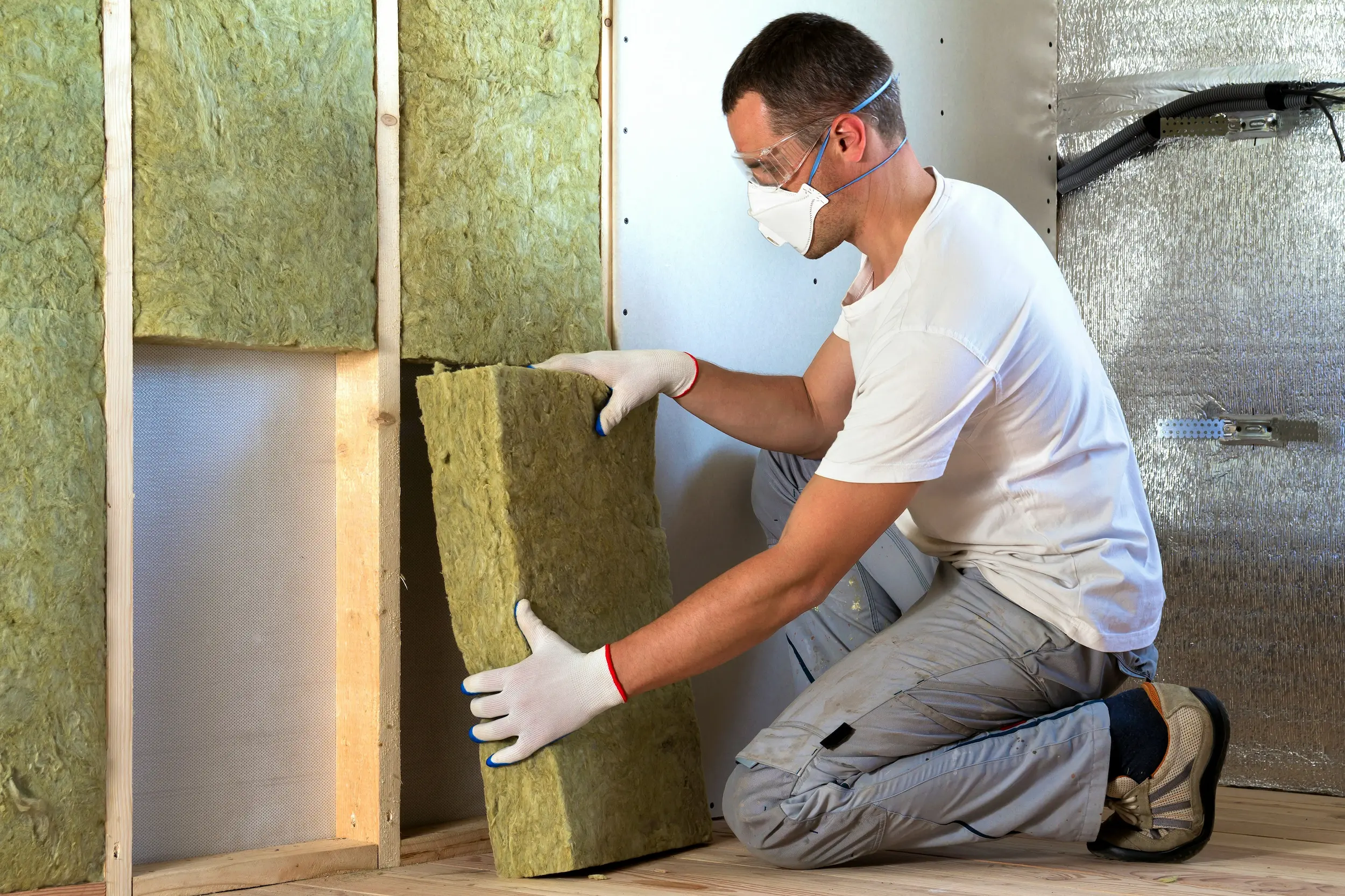
Stud Wall Insulation – A timber or metal frame is built against the existing wall, filled with mineral wool or rigid insulation boards, and covered with plasterboard. This is excellent for flattening uneven older walls and hiding pipes or wiring. Typical cost: £6,500–£10,000 for a semi-detached house.
Directly Bonded Insulation Boards – Rigid insulation boards with pre-bonded plasterboard are fixed directly to the existing plaster using adhesive or mechanical fixings. This is often faster to install and minimizes the thickness added to the room. Typical cost: £5,000–£8,500 depending on the number of rooms.
What About External Wall Insulation?
External Wall Insulation (EWI) involves fixing insulation to the outside of the house and finishing it with a weatherproof render. EWI is highly effective and doesn't reduce your indoor living space, making it a fantastic option for many homes—but it comes at a much higher cost (£10,000–£20,000) and completely alters the exterior appearance of the building.
For properties in conservation areas, terraced homes, or where budget is a key factor, internal insulation is often the more practical and permitted choice.
Is Internal Wall Insulation Right for Your Home?
IWI is particularly well-suited to:
Solid-walled homes (typically built pre-1930) that cannot accept cavity wall insulation.
Properties where external insulation isn't allowed due to planning or aesthetic restrictions.
Homeowners undertaking a room-by-room renovation who want to improve efficiency at the same time.
Any room that feels perpetually cold, draughty, or suffers from wall condensation.
What to Expect from Installation
Internal insulation is a disruptive process because it is carried out inside your living space. Skirting boards, radiators, light switches, and coving must be removed before the insulation goes up, and then reinstalled afterward. Rooms will need to be completely cleared, and you will lose a small amount of floor space—typically around 50mm to 100mm along the insulated walls.
Because managing moisture is critical to preventing structural damp, it is vital to use a qualified installer who understands historic buildings and can ensure proper ventilation is maintained.
Key Takeaway
Solid walls are a massive energy drain, but you don't have to live with a cold home. Internal Wall Insulation acts like a thermal blanket for your rooms, locking the heat inside, lowering your energy bills, and creating a warm, comfortable living environment.