

Double Glazing
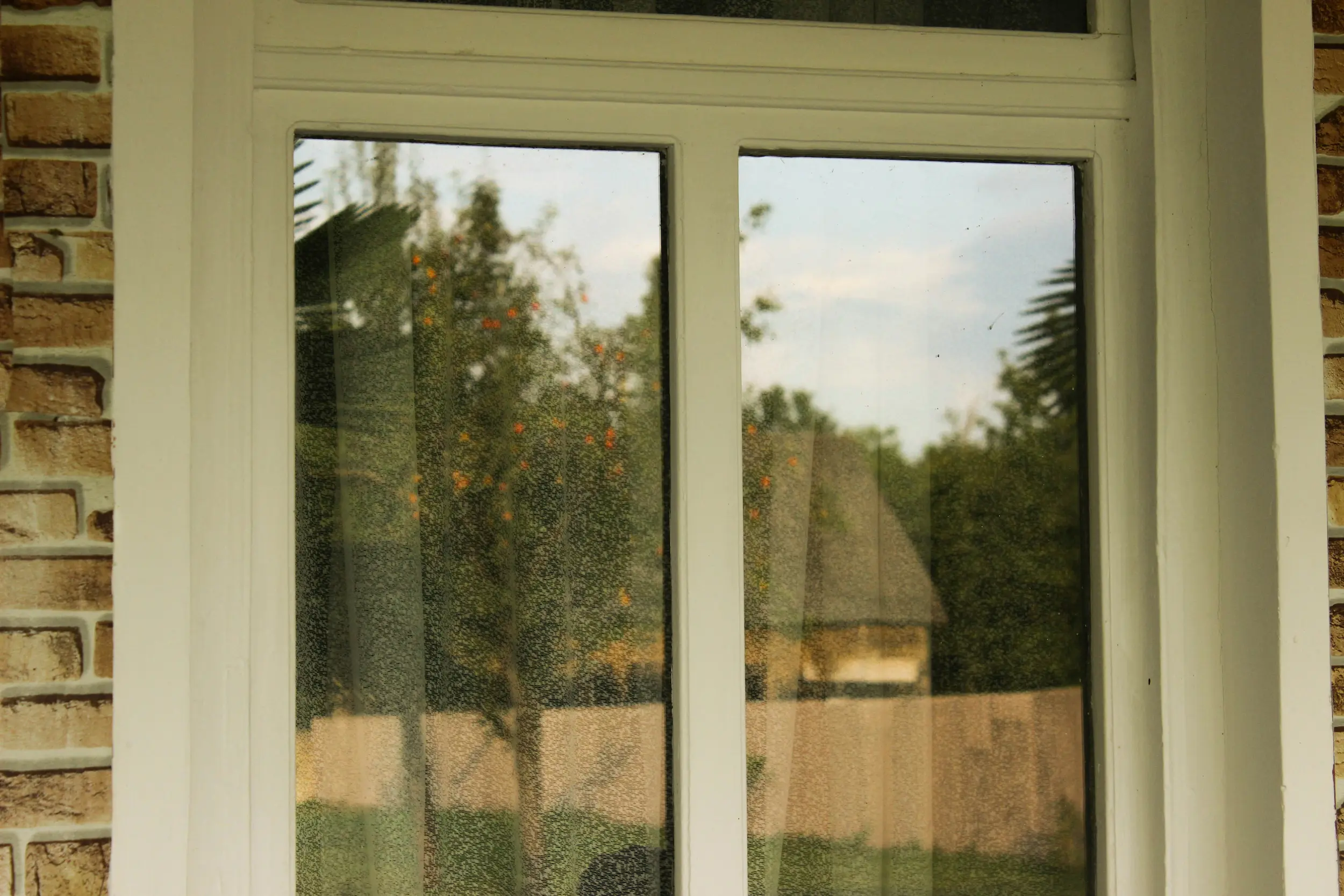
Got it—my apologies! Let’s shift the spotlight entirely to the double glazing itself, keeping the style, layout, and UK formatting of your original MEV post. Here is the revised article focusing on double glazing:
If your home still has older single-glazed windows, you are likely losing a significant amount of heat and dealing with cold draughts every winter. Upgrading to modern double glazing is one of the most effective ways to transform your living space. It is not just about aesthetics—it completely changes how your home manages energy.
The Problem: Heat Escapes Unchecked
A single pane of glass provides very little thermal resistance. In a typical uninsulated home, up to 18% of structural heat loss occurs directly through the windows.
During colder months, internal heat travels rapidly through single glazing to the cold outside air. This leaves the indoor glass surface freezing to the touch, which causes two distinct problems:
High energy bills because your heating system has to work constantly to replace the heat escaping through the glass.
Severe condensation as the warm, moisture-heavy air inside your home hits the freezing glass pane, turning instantly into water droplets that pool on the frame and cause mould.
Upgrading your glazing tackles this energy drain at the source.
What Double Glazing Does
Instead of a single sheet of glass, a double-glazed window uses an Insulated Glass Unit (IGU). This consists of two parallel panes of glass separated by a sealed gap.
This sealed gap is the secret to its performance. Because still air or dense gas is a terrible conductor of heat, the layer acts as a highly effective thermal barrier. It significantly slows down the transfer of heat from the inside of your home to the outside, keeping the inner pane of glass much closer to room temperature.
Most modern high-performance units fill this gap with argon gas (which is denser than air and offers even better insulation) and use low-emissivity (Low-E) glass coatings to reflect heat back into the room.
Two Main Framing Materials
uPVC (Unplasticized Polyvinyl Chloride) – The most popular choice for UK retrofits. It is highly durable, requires virtually no maintenance, and offers excellent thermal efficiency at an affordable price point. Typical cost: £500–£1,200 per window depending on size.
Aluminium – A premium choice known for its incredible strength. Because the frames are inherently strong, they can be made much slimmer, allowing for larger panes of glass and a more minimalist look. They include a "thermal break" inside the frame to prevent heat loss. Typical cost: £900–£2,000 per window.
What About Triple Glazing?
Triple glazing takes the concept a step further by introducing a third pane of glass and a second gas-filled cavity. This provides the absolute highest level of insulation and soundproofing available.
While it is the gold standard for ultra-low energy builds or homes exposed to extreme weather and high traffic noise, it comes at a 30-40% price premium over double glazing. For the vast majority of standard UK retrofit projects, modern A-rated double glazing offers the best balance of cost versus energy savings.
Is Double Glazing Right for Your Home?
You should consider upgrading to modern double glazing if you experience:
High heating costs and rooms that cool down the moment the heating goes off.
Significant cold spots or noticeable draughts sitting near your windows.
Constant external noise from traffic, neighbours, or the street disrupting your peace.
Recurring heavy pooling of water on the inside of your window frames every morning.
What to Expect from Installation
Replacing windows is a major home improvement, but a professional team can typically swap out all the windows in a standard three-bedroom house within 2 to 3 days. The old frames are removed entirely, the openings are cleaned, and the new units are carefully leveled, sealed, and trimmed.
Under UK building regulations, your installer should be registered with a competent person scheme (like FENSA or Certass) so they can self-certify that the windows comply with thermal performance standards and pass on your compliance certificate.
Key Takeaway
Old windows act like a radiator turned outwards. Upgrading to modern double glazing acts as a thermal shield for your home, keeping the heat exactly where it belongs—inside—while permanently lowering your energy bills and improving your comfort.